
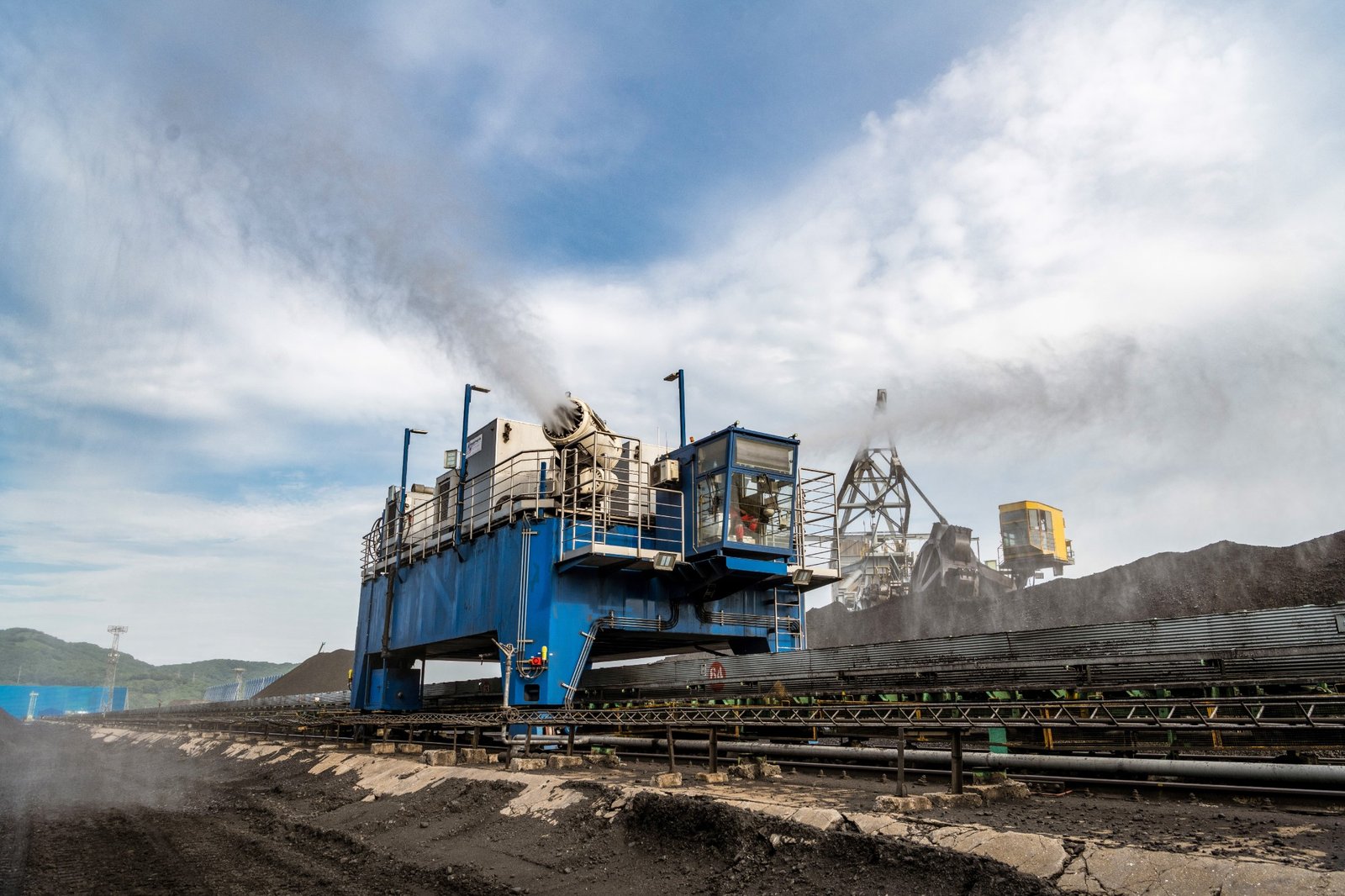
Dust looks harmless when you see a little of it in the air. On a construction site, it is a different story. Dust can spread fast, reduce visibility, create breathing problems, make nearby properties dirty, and even lead to complaints or compliance issues. That is why dust control is not just about keeping a site looking clean. It is about safety, work quality, public relations and staying in control of the job.
One of the most common ways to manage this problem is with dust control sprinkler systems. These systems are designed to keep dust from rising and spreading by applying water in the right amount and at the right time. If you have ever wondered how they actually work, why they matter and whether they are worth the cost, this guide will walk you through it in a simple way.
Whether you manage a small building project, a roadwork site, a demolition area and a large industrial yard, understanding dust control sprinkler can help you make better decisions and avoid expensive mistakes.
Why dust is such a big problem on construction sites
Construction sites naturally create dust. It happens during digging, grading, demolition, loading trucks, cutting concrete, moving soil and driving heavy equipment across dry ground. Even a windy day can turn loose material into a constant dust cloud.
The problem is that dust does not stay in one place. It moves across the site, sticks to equipment, gets into the air workers breathe, and can drift into nearby roads, homes, shops and public spaces. That creates real problems.
Workers may struggle with poor visibility and uncomfortable working conditions. Neighbors may complain because their cars, windows and outdoor spaces get covered in dust. In some cases, too much uncontrolled dust can attract attention from local authorities or project inspectors. A dusty site can also make a company look careless, even when the rest of the work is being done well.
This is why so many contractors now treat dust suppression as a normal part of site management instead of something they deal with only when complaints begin.
What is a dust control sprinkler system?
A dust control sprinkler system is a setup that sprays water over dusty areas so dust particles stay down instead of becoming airborne. The goal is not to flood the site. The goal is to apply enough moisture to control the dust without creating mud, waste and delays.
These systems can be simple or advanced. Some use fixed sprinkler heads placed around the site. Others use portable sprinklers, misting units, water lines, pumps, or mobile systems that can be moved where dust is worst. On some large construction sites, a full dust suppression system may include automation, timers, pressure controls and different nozzles for different site conditions.
At the center of all of them is one basic idea: water meets dust before dust becomes a bigger problem.
How do dust control sprinkler systems actually work?
The simplest answer is this: they spray water over dusty surfaces and dust-producing areas so the dust particles become heavier and settle to the ground.
But let’s make that clearer.
Dust is made of tiny loose particles. When those particles are dry, they move easily. Heavy equipment, wind and site activity can lift them into the air in seconds. Once water is sprayed onto those particles, they begin to stick together. That added weight makes them harder to lift and easier to keep on the ground.
A dust control sprinkler system usually works through a few basic steps.
First, the system pulls water from a source. That source may be a water tank, a connected line, a storage container, or a nearby supply point.
Second, a pump or pressure system moves the water through pipes or hoses. This gives the system enough force to reach the target area.
Third, sprinkler heads or nozzles spray the water in a controlled pattern. Some nozzles create larger droplets for open ground. Others produce a finer mist for dust that rises quickly into the air.
Fourth, the moisture lands on the dusty surface or directly into the dust zone. This helps stop particles from floating and spreading.
Finally, the site stays more stable and easier to manage because the dust is kept under control instead of constantly building up.
That is the core process. It sounds simple, but the success of the system depends on using the right equipment, placing it in the right locations and running it at the right times.
Where are dust control sprinklers used on a site?
Dust control sprinklers are not only used in one corner of a project. They can be useful in many areas, depending on how the site operates.
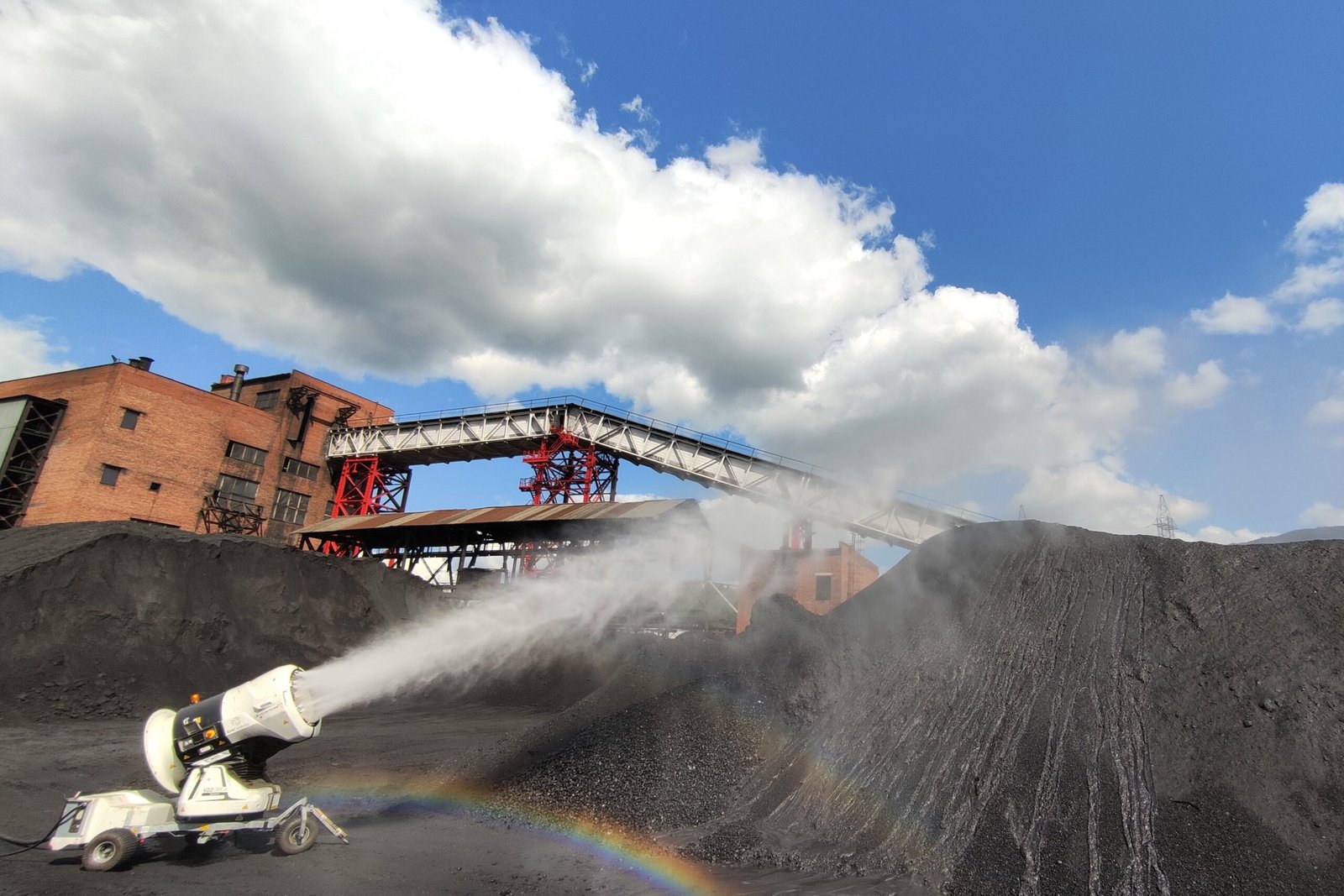
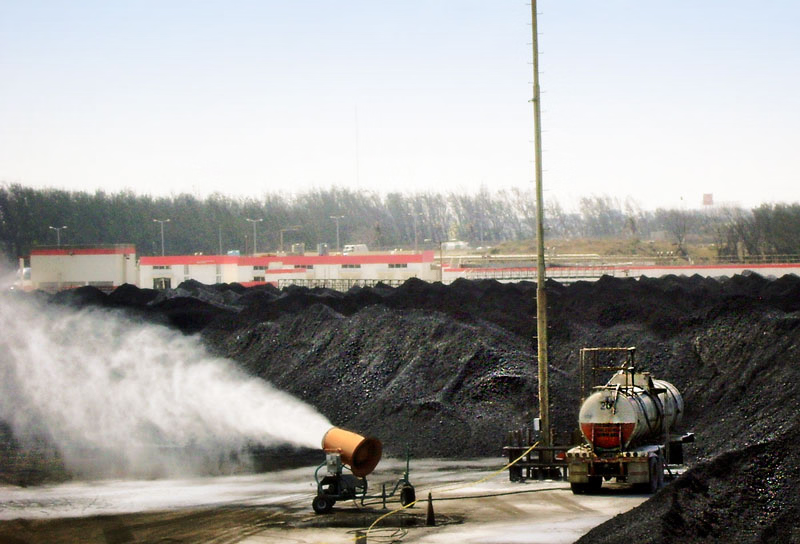
Often they are placed around haul roads where trucks and loaders keep moving dry soil. They can be used near excavation zones where digging creates loose material. Also common around demolition areas where broken concrete, dirt, and debris produce large amounts of dust. Stockpiles are another major trouble spot, especially in windy weather. Even entry and exit points can benefit from dust control because tires often carry dry dirt that gets crushed and blown around.
A good site manager does not just ask, “Do we need dust control?” A better question is, “Where does dust start, and where does it spread?” That is how sprinkler placement becomes more effective.
Types of dust control sprinkler systems
Not all construction sites need the same kind of system. The best dust control sprinklers installation depends on the size of the site, the type of work, available water and budget.
Fixed sprinkler systems
These are installed in a more permanent layout around key dust-producing areas. They are useful for long-term projects where dust control needs to happen every day. Fixed systems can save labor because they do not need to be repositioned all the time. They are a smart option when you know the high-dust zones will stay active for weeks or months.
Portable sprinkler systems
These are easier to move and adjust. They work well for changing site layouts where the dusty area shifts as the project moves forward. A portable setup is often a good fit for medium-sized sites that need flexibility.
Misting systems
These systems release very fine droplets and are often used where airborne dust needs to be controlled quickly. They can be effective around demolition work, crushing zones, or high-activity areas where fine particles rise fast.
Water truck spray systems
Some sites use water trucks instead of or alongside installed sprinklers. These are useful for large open areas and temporary coverage. They can work well, but they usually need more labor and regular scheduling.
Electric dust control sprinklers
Electric systems often offer better automation and control. Depending on the setup, they may run on timers, pressure settings, or automated cycles. Electric dust control sprinklers price can vary a lot based on the number of heads, pump size, control panel, and site coverage needs. They often cost more upfront than a basic manual setup, but they can improve consistency and reduce manual work.
What makes a dust control sprinkler system effective?
A lot of people assume that if water is being sprayed, the system must be doing its job. That is not always true.
Too little water will not control the dust. Too much water can create mud, slippery surfaces, equipment issues, and wasted water. Poor nozzle placement can miss the most important areas. Weak pressure can leave dry patches. Running the system at the wrong time can also reduce results.
An effective system is based on balance.
It should apply enough moisture to control loose particles without oversaturating the surface. And match the site conditions, including wind, traffic, material type, and daily work schedule. It should also be easy enough for the team to operate consistently. A perfect system on paper is not useful if no one can manage it properly during the actual project.
This is why professional planning matters. The best dust control sprinklers installation is not just about buying equipment. It is about designing a setup that fits the real demands of the site.
Common pain points contractors deal with
Many contractors wait too long before taking dust control seriously. Usually, they act after the site becomes difficult to manage. By then, the team may already be dealing with complaints, reduced visibility, or inefficient working conditions.
One common problem is relying only on manual watering. Someone sprays water when the dust gets bad, but there is no consistent coverage. That may help for a short time, but the dust often comes back quickly.
Another issue is using a system that is too small for the job. A small portable sprinkler may work on a compact project, but it will struggle on a large, active site with multiple dust zones.
Water waste is another concern. Contractors want dust control, but they do not want rising water costs or muddy surfaces that slow down equipment. That is why system design and nozzle selection matter so much.
Some site managers also worry about installation costs. Dust control sprinklers installation cost or price depends on the size of the area, water source, equipment type, labor, and whether the setup is fixed or portable. A simple system may be manageable for a modest budget, while a larger automated installation will cost more. But when compared with work slowdowns, cleanup needs, complaints, and poor site conditions, a proper system often pays for itself.
How to choose the right system for your site
If you are trying to decide what kind of system makes sense, start with the site itself.
Look at the size of the area that needs coverage. A small site may only need a few sprinklers or a portable setup. A larger site may need multiple zones, stronger pumps, or a mix of sprinklers and misting equipment.
Think about how long the project will last. For short-term work, portable systems may be enough. For longer jobs, fixed installations often make more sense because they reduce repeated setup and labor.
Check your water supply. The system must have a reliable source, and the delivery method should match the site demands.
Think about the kind of dust you are dealing with. Fine demolition dust is different from loose dirt on access roads. One nozzle type may not work well for everything.
Also think about daily operations. A system that works without slowing the crew down is far more valuable than one that constantly needs attention.
If the project is large or sensitive, it is often worth getting expert help. A professional can assess your layout, water availability, traffic patterns and target zones to recommend the right solution.
Are dust control sprinkler systems worth it?
In most active construction environments, yes they are.
They help create safer and cleaner working conditions. Support smoother operations by reducing constant dust buildup. They can help protect nearby areas from drifting dust. Also give the site a more professional appearance which matters more than many contractors realize.
A site that looks controlled and well managed sends a message. It tells clients, inspectors, neighbors and workers that the project is being handled properly. That can protect your reputation just as much as it protects the site itself.
Final thoughts
Dust control sprinkler systems work by using water to keep loose particles from rising into the air. That sounds simple, but the impact can be huge. On construction sites, dust is not just an inconvenience. It affects visibility, comfort, cleanup, reputation and daily operations.
The right system helps control all of that in a practical way. Whether you choose a fixed setup, a portable unit, a misting system and an electric solution, the key is choosing equipment that matches your site conditions and work pattern.
If you are dealing with ongoing dust, repeated complaints and hard-to-manage dry conditions, it may be time to look at a smarter system instead of temporary fixes. Good dust control is not about spraying more water. It is about using the right solution in the right place at the right time.
FAQs About Dust Control Sprinkler Systems
How do dust control sprinklers reduce dust on construction sites?
They spray water over dry surfaces and dust-producing areas so dust particles become heavier and settle to the ground. This stops the dust from floating through the air as easily.
What is the best dust control sprinklers installation for a construction site?
The best option depends on your site size, project length, water source and dust level. Fixed systems work well for long-term sites while portable or misting systems may be better for changing or short-term projects.
How much does dust control sprinklers installation cost?
Dust control sprinklers installation cost or price depends on coverage area, equipment type, labor, water access, and whether the system is basic or automated. Small portable systems cost less while large fixed or electric setups cost more.
Are electric dust control sprinklers worth it?
Electric systems can be worth it when you want more control, automation, and consistent performance. They may cost more at the start but they can reduce labor and improve efficiency over time.
Can dust control sprinklers create mud on a site?
Yes, they can if too much water is used or if the system is poorly designed. A good setup applies enough moisture to control dust without soaking the ground.
Where should sprinklers be installed on a construction site?
They are usually most useful around haul roads, excavation zones, demolition areas, stockpiles, and high-traffic Dry surfaces where dust starts or Spreads
Do dust control sprinkler systems work better than manual watering?
In many cases, yes. A proper system gives more consistent coverage, saves labor and helps Control Dust throughout the day instead of only When someone Notices the problem
How do I know which dust suppression system is right for my project?
Start by looking at site size, type of work, project duration, water availability and how much dust is being produced. For bigger or More complex jobs, a Professional site assessment can help you choose the right System
Need a better dust control setup for your site?
If your project keeps dealing with dust, complaints, low visibility and messy working conditions, a properly planned sprinkler system can make a big difference. The right setup helps you control dust before it Becomes a bigger problem and that saves time, stress and money in the long Run