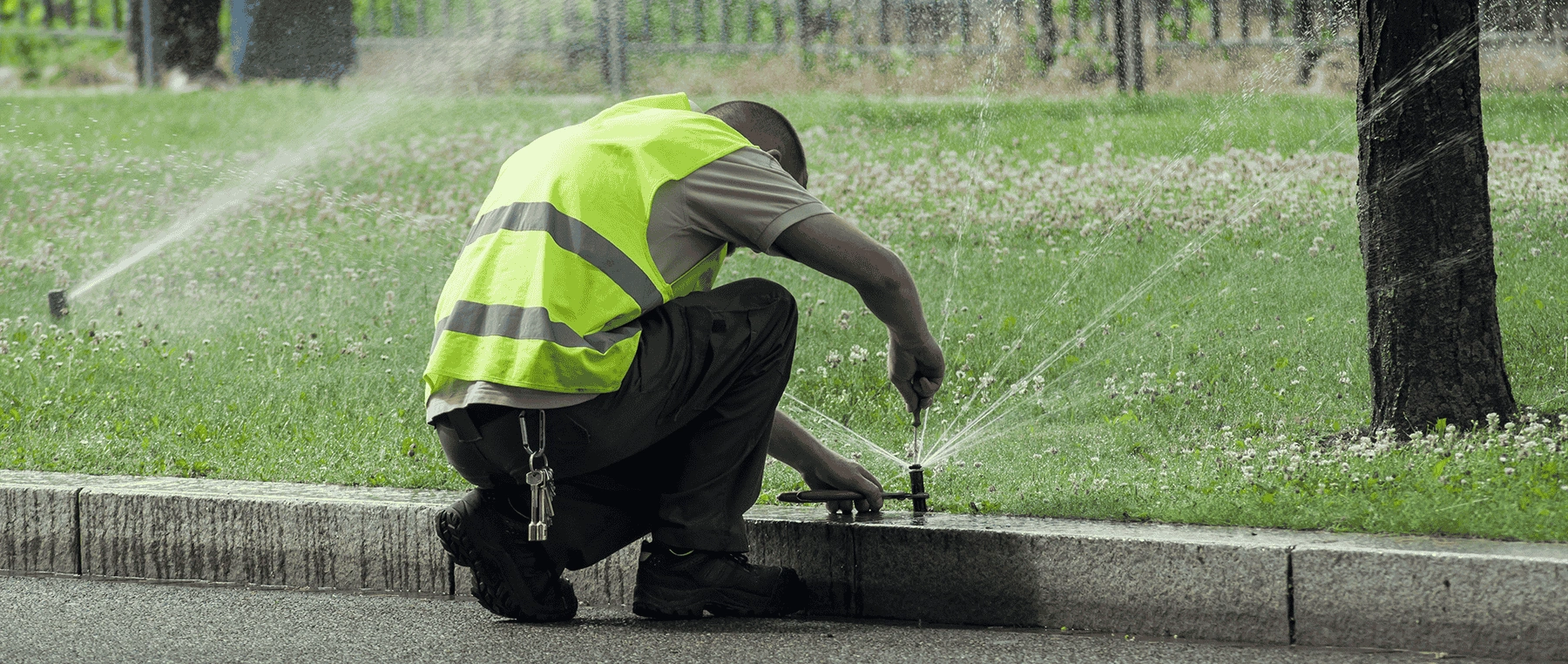
Misaligned heads, underground seepage, and uneven distribution can increase runoff while leaving distant zones without dependable moisture. Skilled irrigation sprinkler system repair focuses on rotor travel, valve diaphragms, timers, and buried fittings, helping technicians locate poor coverage sources before completing efficient, targeted repairs. Restored flow supports healthy lawns while limiting oversaturation near foundations and walkways.
Schedule irrigation sprinkler repair in Lake in the Hills for seasonal diagnostics, precise repairs, stable pressure, and dependable landscape coverage.
We inspect fittings, valves, heads, and lines for seasonal movement, cracking, leaks, and hidden damage.
Seasonal Startup Repair
We restore slow zones, faulty valves, clogged nozzles, and weak pressure after seasonal system startup.
Property Zone Optimization
We balance spray reach, timing, and flow across lawns, planting areas, and commercial landscapes.
About Us
Lake in the Hills Irrigation Repair Built For Seasonal Change
Commercial grounds, entry landscaping, and broad grass areas need careful coverage planning that limits overspray and avoids dry strips. For building sprinkler system installation, installers balance pressure, establish practical zones, secure connections, and confirm that spray reaches intended planting areas. Practical layouts reduce wasted spray and make future repairs easier to complete without unnecessary disruption.
More Than 10 Years Of Irrigation Service Experience
Lake in the Hills Sprinkler Care Built For Seasonal Reliability
Lake in the Hills irrigation systems can face spring startup problems, summer demand, and seasonal component wear. We inspect valve response, line condition, spray coverage, pressure balance, and controller performance before recommending repairs. Property owners choose our team for organized diagnostics, practical corrections, straightforward guidance, and dependable watering performance throughout changing outdoor conditions every year.
4.5/5
our trust score rate
Rate by over 2000 costumer
Clear Seasonal Planning
Straightforward estimates explain repair priorities clearly, helping customers plan sprinkler service without unnecessary surprises later.
Qualified technicians use reliable diagnosis, quality components, excellent craftsmanship, and practical advice for effective results.
how it works
Four Steps From Seasonal Trouble To Reliability
1
Describe The Change
Tell us what changed with your sprinkler performance and choose a convenient service appointment.
2
Share Seasonal Clues
Share photos, startup symptoms, pressure concerns, controller behavior, and details before service begins.
3
Inspect The System
We inspect heads, valves, pipes, timers, wiring, and pressure to uncover the actual problem.
4
Prepare Reliable Watering
We confirm repairs, test coverage, and explain useful maintenance steps for dependable system performance.
Get Your Irrigation Season Ready
Fix Hidden Problems Before Watering Demand Rises
Cracked fittings, weak valves, pressure changes, and startup problems can disrupt watering quickly. Our Lake in the Hills sprinkler specialists restore reliable flow, balanced coverage, and dependable performance.