Let’s Start With a Simple Question…
Have you ever watered your lawn or plants and still ended up with dry patches… and worse, wasted a lot of water?
Or maybe you’re managing a farm, a garden and even a commercial space and you’re wondering:
Is there a Smarter, more Efficient Way to Water Everything?
That’s exactly where a Sprinkler System comes in.
This Guide will Break Everything down in Plain, Simple language so even if you’ve never used one before, you’ll Understand exactly How it works and Whether it’s right for you.
What Is a Sprinkler System?
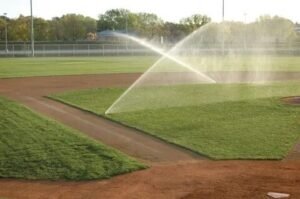
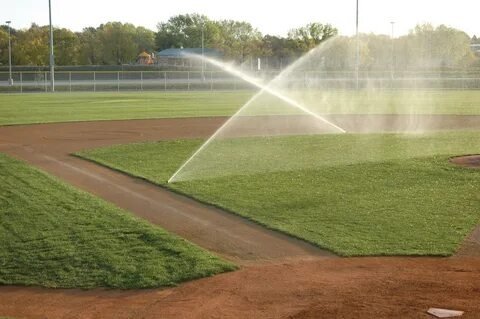
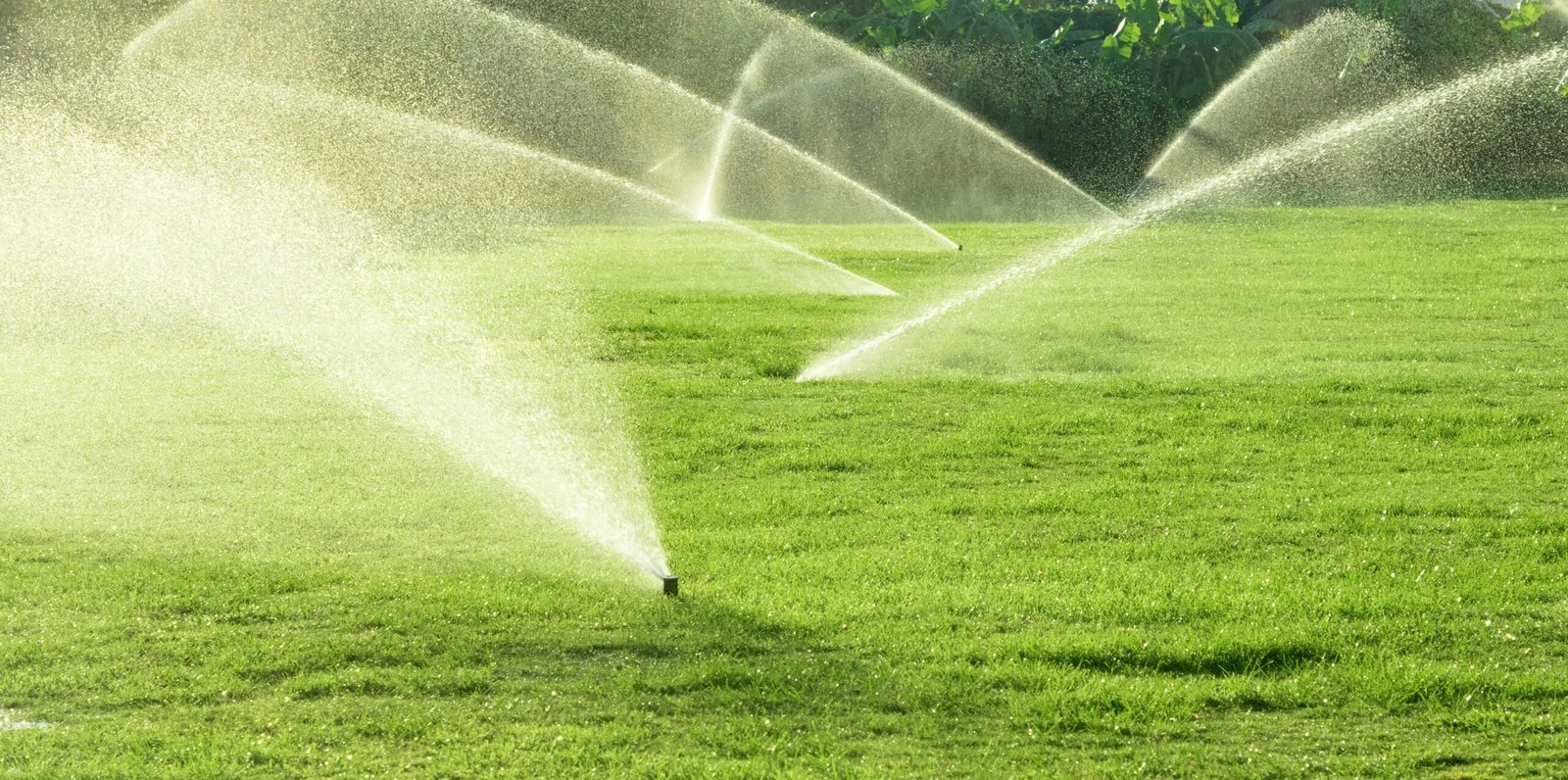
A Sprinkler System is a setup that Automatically Distributes water over an area just like Rainfall.
Instead of Manually Watering with a Hose, the System uses Pipes, Valves and Sprinkler heads to spread water evenly across Lawns, Crops and spaces.
In simple words:
It’s a System that Waters Your Space for you Efficiently and Evenly.
Where Are Sprinkler Systems Used?
You’ll find Sprinkler Systems in:
Homes (lawns, gardens)
Farms (crop irrigation)
Commercial spaces (landscaping, cooling areas)
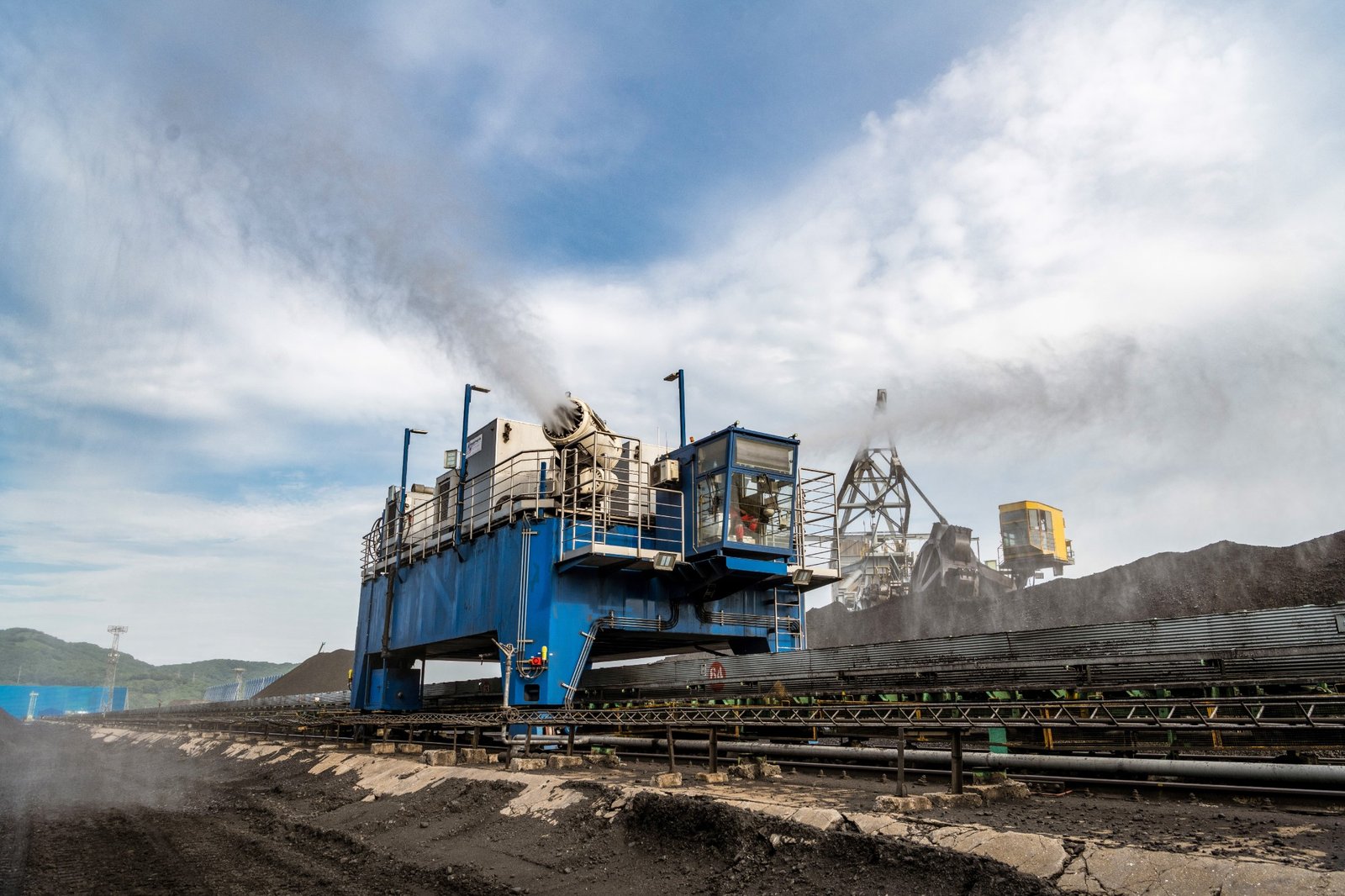
Industrial sites (dust control)
Buildings (fire protection)
Same concept, Different purpose.
How Does a Sprinkler System Actually Work?
Let’s Break this Down step by step, no Technical Confusion.
Step 1: Water Source
Everything Starts with a Water Source:
City water supply
Well
Tank
Step 2: Pipes Carry the Water
Water Flows through underground and Surface Pipes that connect the Entire System.
Step 3: Valves Control the Flow
Valves act like Traffic controllers:
They decide When Water Flows
And Where it Goes
Step 4: Controller / Timer (The Brain)
This is what makes it Automatic
You Set a Schedule (morning, evening etc)
It tells Valves When to Open and Close
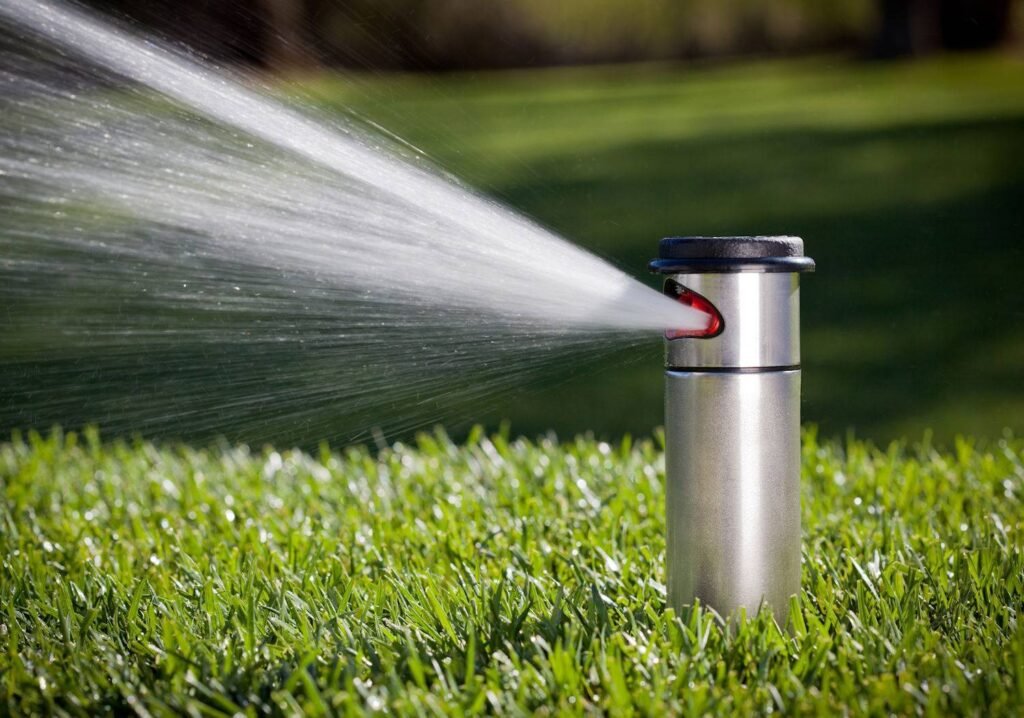
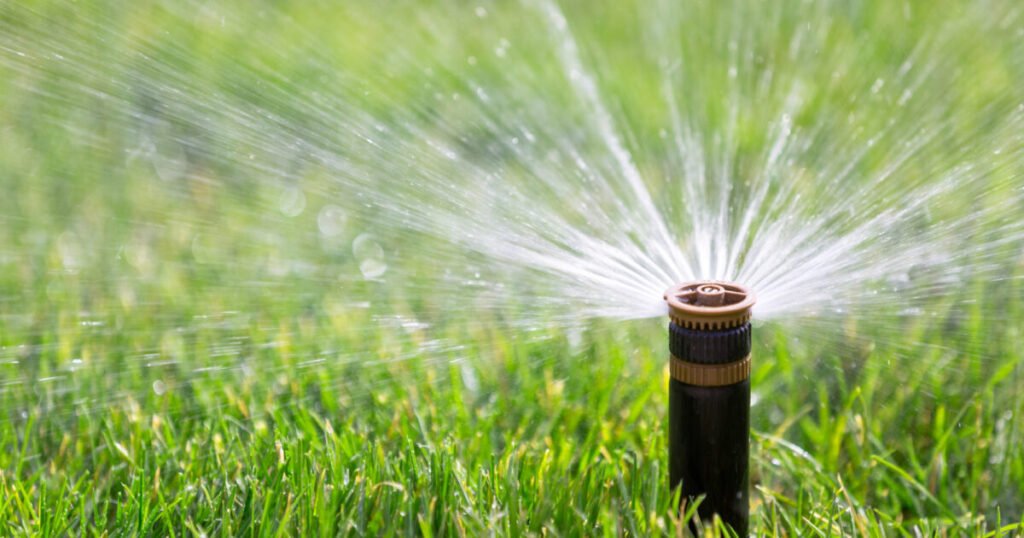
Step 5: Sprinkler Heads Do the Job
These are the Parts you Actually See
They:
Pop up and Rotate
Spray Water Evenly Across the Area
Water Pressure Activates them and spreads water like Rainfall.
Step 6: Even Distribution (Like Rain)
Water Breaks into Small Droplets and Spreads evenly just like Natural Rain.
That’s it. Simple system, Powerful Results.
Why Do People Use Sprinkler Systems?
Let’s be real, people don’t install sprinkler systems for fun. They install them because Manual Watering is Time-consuming, Inconsistent and Often Inefficient.
If you’ve Ever Struggled with Dry Patches, Wasted water and Spending Too Much Time Watering, You already Know the Problem. A Sprinkler System is Simply a Smarter Way to Solve it.
Saves Time
No more Standing with a Hose for Hours.
With a Sprinkler system, Watering happens Automatically Based on a Schedule you Set. Whether it’s Early morning and late Evening, the System runs without you Being there.
This Means you can Focus on your Day while Your lawn, garden and Crops get Water Consistently.
Saves Water
Manual Watering often Wastes Water. Sprinklers use Controlled Flow.
When You water by hand, it’s Easy to Overdo it in some Areas and Miss Others. Sprinkler systems are Designed to deliver the Right amount of Water at the Right time, in the Right Places.
Many modern Systems even adjust Based on weather, Helping you avoid Unnecessary water Usage.
Even Coverage
No dry Patches, no Overwatering
One of the Biggest Problems with Manual watering is Uneven Distribution. Some areas get Too Much Water, while others Stay Dry.
Sprinkler systems are Designed to Spread Water evenly across the Entire Area, Ensuring every Part gets Proper Hydration.
This results in a more Uniform lawn, Healthier plants and Better overall Appearance.
Healthier Plants and Crops
Consistent Watering = Better Growth.
Plants and Crops need consistent Moisture to Grow Properly. Irregular Watering can stress them, Leading to poor Growth and Damage.
A sprinkler system provides Steady and Balanced Watering which Helps plants develop stronger roots and Grow more Efficiently.
For farms, This can Directly Impact crop Yield and Quality
Automation
Set it once → Forget it.
Automation is one of the Biggest Advantages. You can Program your System to Run at Specific times and Durations.
No need to Remember Watering Schedules or Worry about Missing a Day.
It’s especially Useful if you Travel Frequently and have a Busy Routine.
What Types of Sprinkler Systems Are There?
This is Where Things Get Interesting Because Not All Systems are the Same.
Lawn and Garden Sprinklers
Best for:
Homes
Small Landscapes
They Focus on even Watering and Aesthetics.
Agricultural Irrigation Sprinklers
Used in Farms to:
Cover large Areas
Improve crop Yield
Save Labor
They mimic Rainfall across Fields
Fire Sprinkler Systems
These are Different
They:
Detect Heat
Automatically Release Water
Each Sprinkler activates individually when Temperature Rises, Helping control fires.
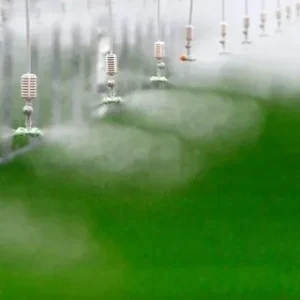
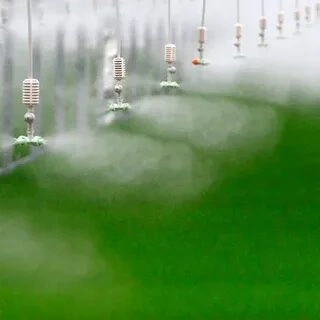
Cooling Mist Systems
Used in:
Outdoor Restaurants
Commercial Spaces
They Reduce Temperature and Improve Comfort.
Dust Control Sprinklers
Used in:
Construction Sites
Industrial Areas
They reduce airborne Dust and Improve air Quality.
Greenhouse Sprinklers
Designed to:
Maintain Humidity
Control water Levels Precisely
Choosing the Right type Depends on your Needs, Not just the System.

How Do You Choose the Right Sprinkler System?
Let’s Make this Practical.
Ask Yourself:
What is your space?
Small lawn → Simple system
Large farm → Advanced irrigation
What is your budget?
Basic systems are Affordable
Smart systems cost more but Save water Long-term
What is your climate?
Hot areas → Frequent watering
Humid areas → Controlled usage
Do you want automation?
Manual → Cheaper
Smart system → More efficient
There’s no One Best System, only What’s Best for YOU.
Common Problems People Face And Simple Fixes
Let’s Talk about Real issues because this is What people Actually Search For.
Uneven Watering
Problem: Some Areas Dry, Others Soaked
Fix: Adjust Sprinkler Heads and Pressure
Low Water Pressure
Problem: Weak Spray
Fix: Check pipes, Valves and Leaks
Clogged Sprinkler Heads
Problem: Water not Coming out Properly
Fix: Clean and Replace Heads
High Water Bills
Problem: Overwatering
Fix: Use timers and Smart Systems
These Small fixes can Save you a lot of Money.
How Much Does a Sprinkler System Cost?
Let’s be Honest, this is What Most people Want to Know
Cost depends on:
Size of Area
Type of System
Installation Complexity
Automation Level
General idea:
Small Home system → Affordable
Large Farm/commercial → Higher investment
But Remember:
It’s not just a Cost, it’s an Investment in Efficiency.
Should You Install It Yourself or Hire a Professional?
Here’s the Truth Most People Don’t tell you
DIY (Do It Yourself)
Cheaper
Risk of Mistakes
Poor Coverage
Professional Installation
Proper Design
Water Efficiency
Long-term Savings
Fewer Problems
If it’s a small setup, DIY can Work.
For serious systems → Go Professional.
Why a Sprinkler System Is Worth It
If You’re Still Thinking…
Do I really Need this?
Here’s the Reality:
You save time Every Week
You reduce water Waste
Your plants or crops perform Better
Your property looks Better
Over time, it Pays for Itself
Ready to Install a Sprinkler System?
If you’re Planning to:
Install a new System
Upgrade an old One
Fix an existing Issue
Getting expert help can Save you Time, Money and Stress
Simple Next Step:
Talk to a Sprinkler Expert and get the Right System for your Needs
Frequently Asked Questions (FAQ)
How long do sprinkler systems last?
Most Systems last 10–20 Years with proper Maintenance.
Can I install a sprinkler system myself?
Yes, but only for Small Setups. Larger systems Need Professional Design.
How often should I run my sprinkler system?
It Depends on Climate and soil But usually 2–3 times Per Week.
Do sprinkler systems waste water?
No, Modern systems Actually Reduce Water waste when used properly.
Are smart sprinkler systems worth it?
Yes. They Adjust Watering based on Weather and Save Water Long-term.
Final Thoughts
A sprinkler System isn’t just about Watering, it’s about doing it Smartly, Efficiently and Consistently.
Whether You’re:
A Homeowner
A Farmer
A Business owner
The Right system can completely change How you Manage Water.
Want Help Choosing the Right System?
If you’re Unsure What fits your Needs, Getting Expert Advice is the Smartest Move.
Because the Right Setup today Saves you Years of Problems Later.